

April 13, 2026
Media marketers know that generational differences shape how audiences discover, engage with, and respond to content. Our earlier analyses highlighted evolving media consumption patterns, precise audience identification by birth cohort, and proven strategies for crossing generational lines. Yet in 2026 the landscape has shifted again. Technology, platform behaviors, and consumer expectations demand fresh targeting methods that blend data precision with authentic connection.
So, what are some actionable new approaches to reach the different generations?
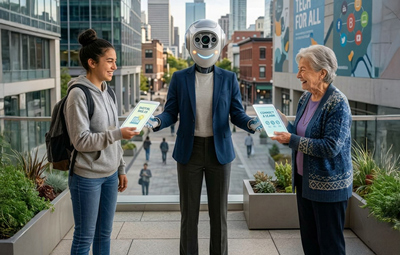 AI-powered Hyper-personalization
Artificial Intelligence now lets marketers move beyond broad demographics to deliver truly individualized experiences. 73% of businesses report that AI improves personalization strategies, enabling dynamic content adjustments based on real-time behavior, context, and preferences.
For Gen Z, who average 6.9 hours daily with media and entertainment and treat digital and offline life as one seamless experience, AI can generate short-form video variations tailored to their current mood or search intent on TikTok. Millennials, who spend 45 minutes daily on YouTube and represent the largest group of connected TV (CTV) viewers, benefit from AI-curated playlists or email sequences that reflect their values-driven shopping habits.
Older cohorts respond equally well when personalization respects their priorities. Generation X and Baby Boomers appreciate AI-enhanced email campaigns that highlight reliability, discounts, and straightforward product details rather than trendy aesthetics. The key is first-party data combined with privacy-compliant tools. Marketers who test AI segmentation across platforms see higher engagement because messages feel relevant rather than intrusive.
Creator Collaboration and User-generated Content as Trust Signals
Authenticity remains non-negotiable, especially for younger audiences. Gen Z values real people over polished ads; nearly half would watch television shows featuring their favorite creators. Media buyers should shift budgets toward micro-influencer partnerships and co-creation programs that invite audiences to produce their own content. On Instagram and TikTok, where Gen Z usage reaches 86% and 79% respectively, brands that seed campaigns with user-generated reels gain organic reach and credibility.
Millennials respond to similar tactics when creators demonstrate lifestyle alignment or social impact. For Gen X and Boomers, user-generated testimonials shared via Facebook groups or YouTube comments build the same trust. The newest evolution involves brands providing simple templates or challenges so audiences feel ownership. This lowers production costs while increasing relevance across every generation.
Social Search and Platform-specific Discovery Tactics
Social platforms have become primary search engines, particularly for younger cohorts. Gen Z turns to TikTok and Instagram first for product research, treating short videos as both entertainment and information sources. Marketers must optimize for social search by incorporating trending audio, clear calls to action in captions, and shoppable features. In contrast, Millennials and Gen X still rely heavily on YouTube for in-depth reviews and Facebook for community recommendations.
Baby Boomers maintain strong Facebook and email habits, yet many now discover brands through YouTube recommendations. Savvy teams create cross-posted content that adapts format without losing core messaging. For example, a product tutorial might appear as a long-form YouTube video for older viewers and a 15-second Reel for Gen Z. This omnichannel approach maximizes reach while respecting platform norms.
Omnichannel Blending for Cross-generational Campaigns
No single channel dominates anymore. Successful campaigns combine emerging digital tools with familiar touchpoints. CTV delivers scale for Millennials while traditional broadcast and direct mail reinforce trust among Boomers. Podcasts and newsletters continue to thrive with Gen X, who value depth and convenience during commutes or work breaks.
Emerging tactics include interactive branded experiences that span generations, such as augmented-reality filters on Instagram that appeal to Millennials and Gen Z while simpler email versions reach older audiences. Data shows these blended strategies improve overall campaign performance because they meet consumers where they already spend time.
Purpose and Community as Universal Connectors
Across all generations, shared values drive loyalty. Campaigns that highlight social impact, sustainability, or community support resonate particularly well when tailored. Gen Z and Millennials seek brands that demonstrate genuine commitment, while Gen X and Boomers respond to messages emphasizing family, reliability, and long-term value.
Marketers should build dedicated online communities, whether through private Facebook groups for older audiences or Discord-style spaces for younger ones. Regular listening sessions and co-created content calendars keep engagement high and provide ongoing insights for future targeting.
The generational divide has not disappeared, but new tools and tactics have made it easier to navigate. By combining AI precision, creator authenticity, social-search optimization, omnichannel execution, and values alignment, media marketers can create campaigns that feel personal and timely for every audience segment. As consumption habits keep evolving, the most successful teams will test, measure, and iterate quickly. At Mosaic Media, we’re always available to discuss how your next campaign can connect more effectively across generations. The future of audience targeting is here.
Citations:
- Deloitte 2025 Digital Media Trends report
- Deloitte 2026 Digital Media Trends report
- eMarketer reports (US Digital Habits by Generation 2026 and related time-spent data)
- Contentful / Twilio Segment State of Personalization Report
- Statista (Gen Z media consumption and social platform usage)
- GWI (social media statistics for brands in 2026)
- Sprout Social (social media demographics data)